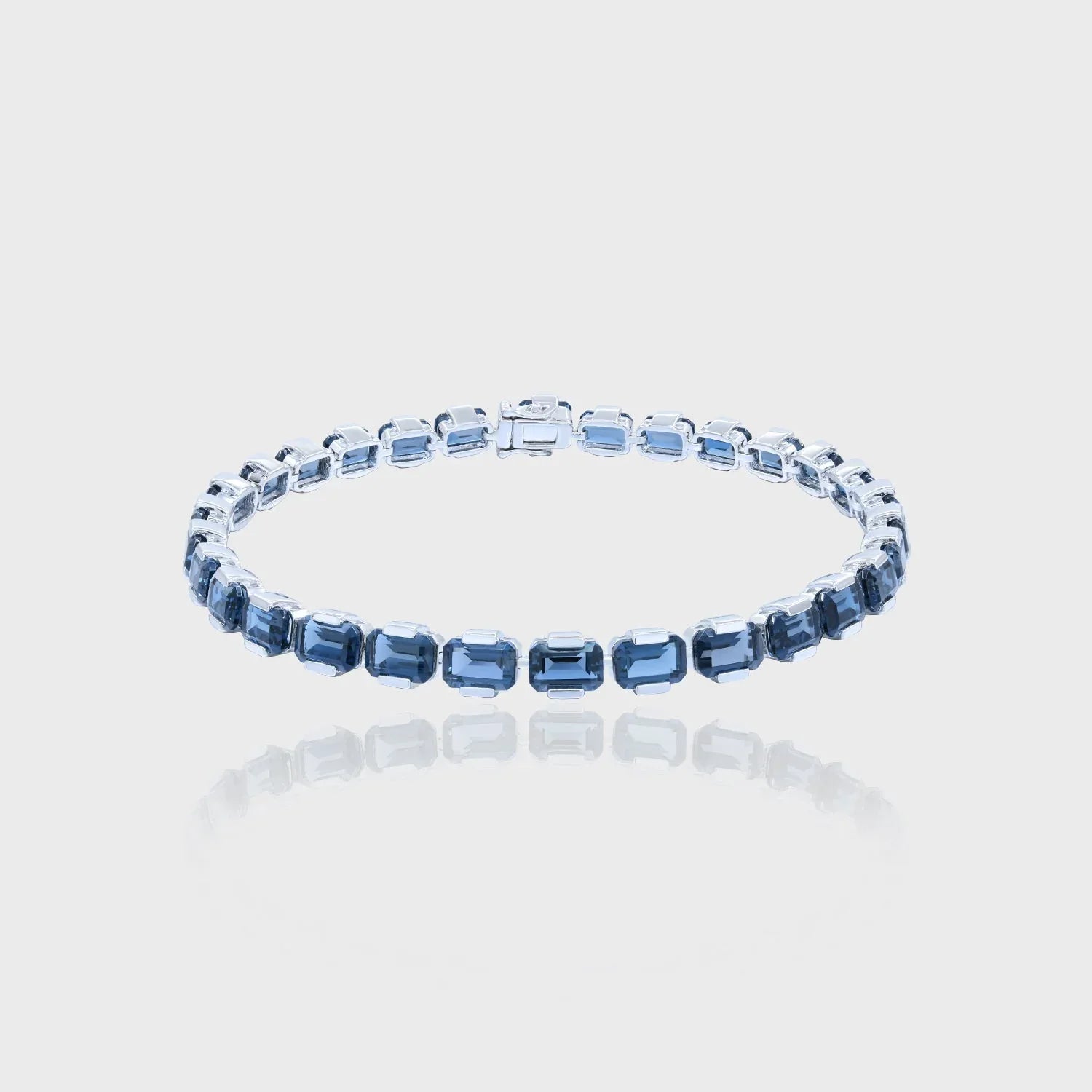
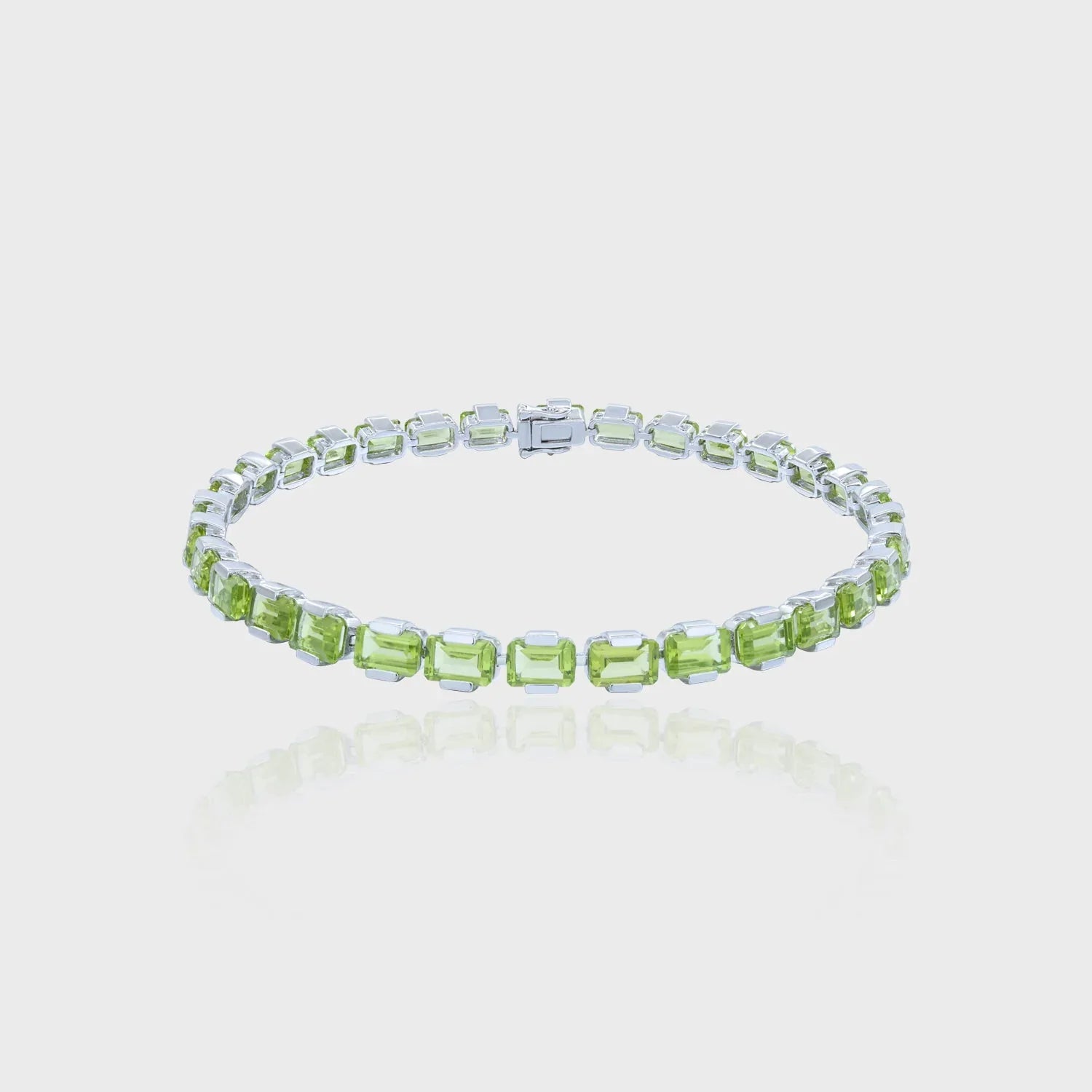
HOW TO POLISH SILVER & RESTORE TARNISHED JEWELRY?
A considered guide to cleaning tarnished jewelry and polishing silver with precision - focused on preserving clarity, character, and the integrity of every piece over time.
A considered guide to cleaning tarnished jewelry and polishing silver with precision - focused on preserving clarity, character, and the integrity of every piece over time.

Jewelry is worn close. It moves with you, reacts to your environment, and over time, it shows it. Silver begins to darken. Surfaces lose their clarity. What once looked sharp starts to feel muted.
This is not a flaw in the piece. It’s a result of exposure.
Knowing how to maintain it is what separates a piece that ages well from one that simply wears out. Learning how to polish silver and how to clean tarnished jewelry ensures that your pieces retain their presence without being overworked.
Because well-kept jewelry doesn’t look new. It looks deliberate.
 Tarnish is a natural surface reaction. In silver, it forms when the metal interacts with sulfur compounds in the air. Over time, this creates a darkened layer that sits on top of the metal.
Daily wear accelerates the process. Sweat, humidity, pollution, and even products like perfumes or lotions contribute to the buildup. Even when not worn, improper storage can lead to tarnishing.
Gold plated jewelry behaves differently. It does not develop tarnish in the same way. Instead, the outer layer of gold gradually wears down due to friction and repeated use. Once that layer fades, it cannot be restored through standard cleaning.
Understanding this difference matters. Silver jewelry can be polished and restored. Gold plating requires careful handling to maintain what remains.
Polishing silver is a controlled process. The goal is to remove tarnish while preserving the integrity of the metal.
A soft microfiber or polishing cloth
Mild dish soap
Lukewarm water
Silver polish (optional for deeper cleaning)
 1. CLEAN THE SURFACE FIRST
Begin with lukewarm water and a few drops of mild soap. Gently clean the jewelry to remove surface dirt and oils. This prevents particles from scratching the metal during polishing.
2. RINSE AND DRY THOROUGHLY
After cleaning, rinse with clean water and dry the piece completely using a soft cloth. Moisture left behind can lead to further tarnish.
3. POLISH IN A CONTROLLED MOTION
Using a microfiber cloth, polish the silver in straight, consistent strokes. Avoid circular motions, as they can create fine scratches over time.
4. BUFF TO RESTORE CLARITY
Once the tarnish is removed, lightly buff the surface. This step brings back the natural shine without overworking the piece.
Toothpaste or abrasive materials
Rough fabrics or paper towels
Applying too much pressure
Frequent over-polishing
Silver responds well to restraint. Polishing too often or too aggressively reduces the longevity of the piece.
Dullness is often the first sign of neglect, not damage. Cleaning tarnished jewelry correctly is what brings the piece back without compromising its structure. The approach matters as much as the method.
This is the safest and most reliable method for regular cleaning.
Mix lukewarm water with mild soap
Soak the jewelry briefly
Gently wipe with a soft cloth
Rinse and dry completely
This method works well for light tarnish and everyday maintenance.
For moderate tarnish, a baking soda paste can be effective.
Mix baking soda with a small amount of water
Apply gently using a soft cloth
Rinse thoroughly and dry
This method should not be used frequently, as it is slightly abrasive.
Not every piece should be handled at home.
Intricate or delicate designs
Heavy or uneven tarnish
In these cases, professional cleaning is the safer option.
Softer, porous stones such as malachite and lapis lazuli are especially sensitive to water, soap, and abrasives.
Many people search for how to restore gold plated jewelry at home, but this often leads to incorrect methods. In the case that you’ve bought cheaper gold plated jewelry and find that it is losing its color, take a look below.
Gold plating does not respond to polishing the way silver does. It requires a different approach.
Gold plated jewelry consists of a thin layer of gold over a base metal. Over time, this layer wears down due to friction, moisture, and repeated use.
Once the layer fades, it cannot be restored through cleaning or polishing. Only professional replating can bring it back.
1. USE MILD SOAP AND WATER
Clean the jewelry gently using lukewarm water and a small amount of soap.
2. WIPE WITH A SOFT CLOTH
Use a microfiber cloth and avoid applying pressure.
3. LET IT AIR DRY
Allow the piece to dry naturally without aggressive rubbing.
Scrubbing or brushing
Baking soda or abrasive cleaners
Chemical solutions or polishing creams
Gold plated jewelry should be handled with care. The focus is on preserving the existing layer, not trying to restore what has already worn away.
Maintenance is not complicated, but it needs to be consistent. Small habits have a long-term impact.
Remove jewelry before showering or exercising
Avoid direct contact with perfumes and lotions
Store pieces in a dry, controlled environment
Keep jewelry separate to prevent scratches
Wipe pieces after each use
These habits help maintain the finish and reduce the need for frequent cleaning.
The everyday staples in our guide to what jewelry most men wear see the most exposure, so they need the most care.
There are situations where home cleaning is not enough.
You should consider professional care when:
Tarnish is deep or uneven
The jewelry includes gemstones
The design is detailed or fragile
The piece holds significant value
Professional cleaning ensures that the jewelry is restored without risk of damage.
Understanding polishing silver and how to clean tarnished jewelry is about maintaining quality over time. The goal is not to make the piece look new every time, but to keep it sharp and well-kept.
Silver can be restored with the right method and controlled polishing. Gold plated jewelry requires a more careful approach, focused on preserving its surface.
When maintained properly, jewelry holds its character. It doesn’t fade into the background. It stays defined, consistent, and intentional. That matters most for pieces worn with meaning, like the talismans and amulets men have carried for centuries.
Silver should only be polished when tarnish becomes visible. Over-polishing can wear down the surface and reduce the lifespan of the piece.
In most cases, yes - especially for silver. However, if the tarnish is severe or uneven, professional cleaning may be required for the best results.
No. Baking soda should only be used for silver. It is too abrasive for gold-plated jewelry and can damage delicate pieces.
The lifespan depends on the age and care. With proper handling, it can last several years, but the gold layer will eventually wear down and may require replating.
No, Polishing gold vermeil and plated jewelry can remove the thin gold layer. It should only be cleaned gently using mild soap and water.
Using mild soap, lukewarm water, and a soft cloth is the safest method for most jewelry types. It minimizes risk while keeping the piece clean.
Your bag is currently empty.
Start with something worth keeping.